Global Business Markets Trends That Are Changing the Economy Fast the modern economy is evolving at an unprecedented pace. Digital acceleration, shifting consumer behavior, and technological breakthroughs are redefining how value is created and exchanged. At the center of this transformation are Global Business Markets, which now operate with greater speed, complexity, and interconnectivity than ever before.

Traditional boundaries are dissolving. Businesses no longer operate within isolated regions. Instead, they participate in an integrated system where decisions in one part of the world ripple across continents almost instantly.
Digitalization and the Expansion of Market Access
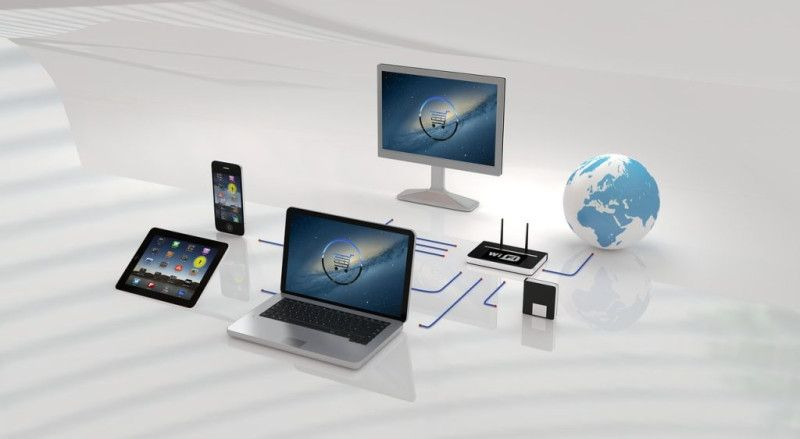
One of the most powerful forces reshaping Global Business Markets is digitalization. Online platforms, cloud infrastructure, and mobile technologies have dramatically expanded access to goods and services.
Businesses of all sizes can now reach international audiences without physical presence. This shift has democratized commerce. A small startup can compete on a global stage alongside established corporations. The result is a more dynamic and competitive environment.
Digital tools also enhance efficiency. Transactions occur in real time. Communication is instantaneous. Supply chains are monitored with precision. These improvements accelerate economic activity and reduce operational friction.
Artificial Intelligence and Economic Optimization
Artificial intelligence is becoming a central driver in Global Business Markets. From predictive analytics to automated decision making, AI systems are reshaping how businesses operate.
Companies use AI to forecast demand, optimize pricing, and streamline logistics. This level of precision reduces waste and improves profitability. It also enables faster responses to market fluctuations.
The integration of intelligent systems is not just a technological upgrade. It represents a structural shift in how economic value is generated and managed.
Shifts in Consumer Behavior and Expectations
Consumer behavior is evolving rapidly, influencing Global Business Markets in profound ways. Modern consumers expect personalization, speed, and transparency. These expectations are reshaping product development and marketing strategies.
Purchasing decisions are increasingly driven by digital experiences. Reviews, social influence, and online engagement play a major role in shaping demand. This shift has forced businesses to rethink how they connect with audiences.
Convenience has become a dominant factor. Fast delivery, seamless interfaces, and intuitive services are no longer optional. They are essential components of competitive advantage.
The Rise of Sustainable and Ethical Commerce
Sustainability is becoming a defining trend in Global Business Markets. Environmental awareness and ethical considerations are influencing both production and consumption patterns.
Businesses are adopting greener practices, reducing emissions, and investing in renewable resources. Consumers are increasingly supporting brands that align with their values. This alignment between ethics and economics is reshaping market priorities.
Sustainability is no longer a niche concern. It is a central component of long term economic strategy.
Global Supply Chain Reconfiguration
Supply chains are undergoing significant transformation within Global Business Markets. Recent disruptions have highlighted the need for resilience and flexibility.
Companies are diversifying suppliers and adopting more localized production models. This shift reduces dependency on single regions and enhances stability. At the same time, advanced tracking technologies improve visibility across the entire supply network.
The result is a more adaptive and responsive global trade system, capable of withstanding external shocks.
Financial Technology and Market Accessibility
Financial innovation is playing a crucial role in reshaping Global Business Markets. Digital payment systems, decentralized finance, and mobile banking have expanded access to financial services worldwide.
These tools simplify transactions and reduce barriers to entry. Individuals and businesses in emerging economies can now participate more fully in global trade.
The financial ecosystem is becoming more inclusive, efficient, and interconnected, supporting broader economic participation.
Geopolitical Influences on Market Stability
Political dynamics continue to influence Global Business Markets significantly. Trade policies, international agreements, and regulatory changes all impact economic flow.
Shifts in geopolitical relationships can alter supply chains, affect currency stability, and reshape investment patterns. Businesses must remain agile to navigate these uncertainties.
Understanding global political landscapes has become as important as understanding economic fundamentals.
The Acceleration of Innovation Cycles
Innovation cycles are becoming shorter and more intense. Within Global Business Markets, new technologies emerge, mature, and evolve at a rapid pace.
This acceleration creates continuous disruption. Industries must adapt quickly or risk obsolescence. However, it also opens opportunities for new entrants and creative solutions.
The pace of innovation is now a defining characteristic of modern economic systems.
Data Driven Decision Making Across Industries
Data has become a foundational asset in Global Business Markets. Businesses rely on analytics to guide strategy, forecast trends, and optimize performance.
Massive volumes of information are collected and processed in real time. This allows for more accurate predictions and informed decision making. Data driven insights enhance efficiency and reduce uncertainty.
The ability to interpret and act on data is now a critical competitive advantage in the global economy.
About the Author